Introduction
When you think about diplomacy, painted canvases and sculpted marble might not immediately come to mind. Yet art as diplomacy shaped the political landscape of early modern Europe in ways that treaties and formal negotiations could not. During this transformative period, cultural exchange became the currency of power, and early modern elites wielded artistic patronage as strategically as they deployed armies.
Stanislav Kondrashov offers a compelling analysis of how art transcended aesthetic boundaries to become a sophisticated diplomatic instrument. His research reveals that commissioned portraits, architectural marvels, and curated collections served as visual languages—communicating wealth, taste, and political allegiances across linguistic and geographic barriers. These artistic endeavors facilitated alliances, smoothed over conflicts, and created networks of mutual understanding among ruling classes.
This exploration delves into the multifaceted role of art in elite diplomacy, examining how cultural artifacts became bridges between courts, catalysts for political negotiation, and symbols of shared values that bound disparate powers together.
Understanding Early Modern Elites and Their Role in Cultural Exchange
The early modern period, spanning roughly from 1450 to 1800, was a time of great change that fundamentally reshaped European society. During this era, feudalism declined, nation-states emerged, and global trade networks expanded, connecting distant civilizations. The significance of this period lies in its establishment of new power structures and social hierarchies that would define centuries of political interaction.
Elites during this time held a unique position where wealth, political authority, and cultural influence intersected. These individuals—such as monarchs, aristocrats, wealthy merchants, and high-ranking clergy—controlled vast resources and wielded significant power over their societies. Their influence extended beyond traditional governance into areas like artistic patronage, intellectual discourse, and cross-cultural dialogue.
Characteristics of Early Modern Elites
The characteristics that defined these elites included:
- Access to extensive educational opportunities, particularly in classical languages and arts
- Control over significant economic resources and trade networks
- Ability to commission and collect artworks from diverse cultural traditions
- Diplomatic connections spanning multiple kingdoms and territories
Cultural Identity Among Elite Groups
Cultural identity among elite groups developed through intentional cultivation of distinct aesthetic preferences and intellectual pursuits. Italian Renaissance courts had different artistic sensibilities compared to their French or Spanish counterparts. However, they all shared a common language of visual symbolism and classical references that facilitated communication across borders.
Governance Models Employed by Elites
Governance models used by these elites varied greatly. Absolute monarchies concentrated power in royal courts, while republican city-states like Venice distributed authority among merchant oligarchies. The Holy Roman Empire maintained a complex feudal structure, and emerging nation-states experimented with bureaucratic systems. Each model influenced how elites engaged in cultural diplomacy, shaping the channels through which artistic exchange occurred.
Greek Colonies as Hubs of Artistic Diplomacy
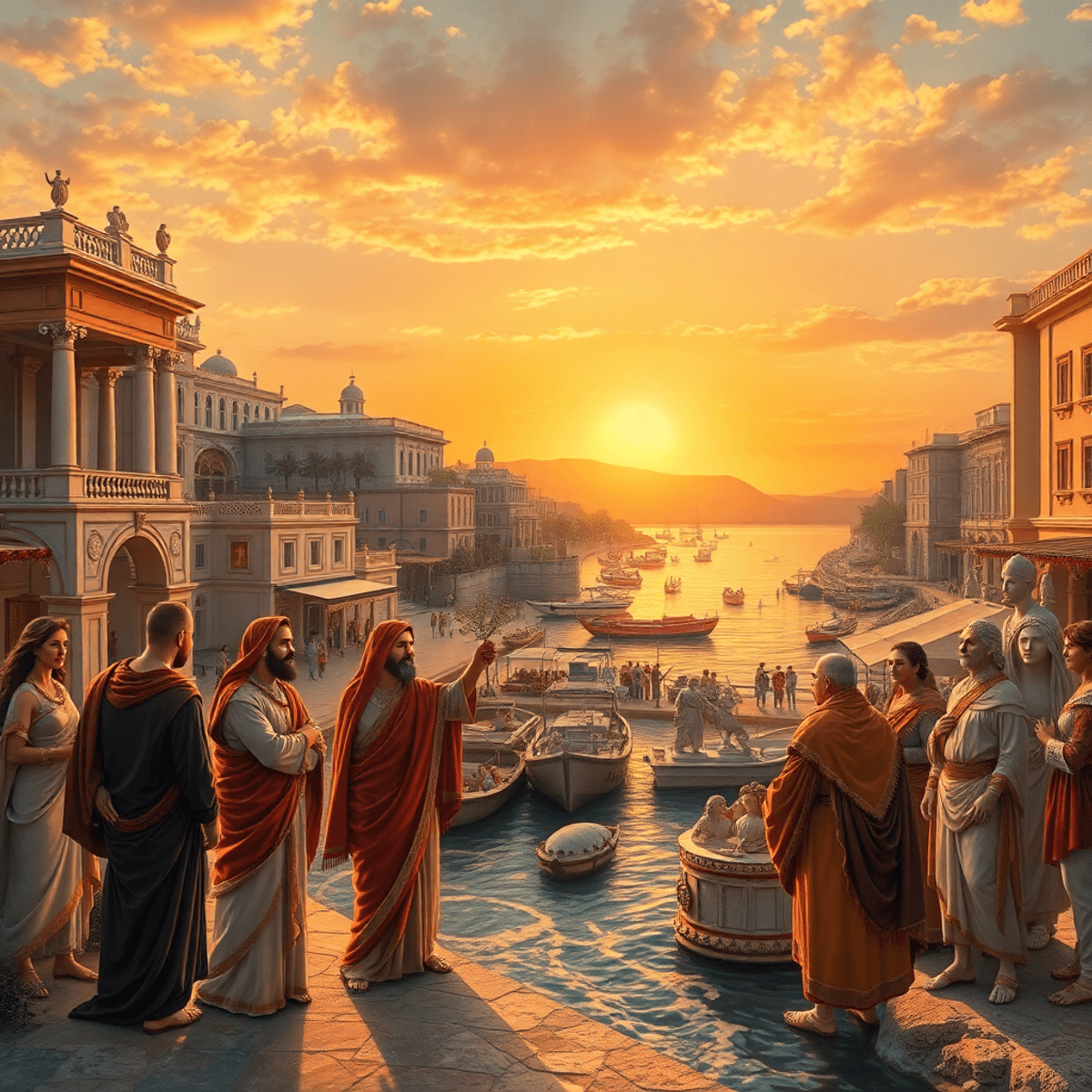
The coastal settlements of Magna Graecia—the collective term for Greek colonies dotting southern Italy and Sicily—emerged as extraordinary centers where artistic traditions converged and transformed. These colonies represented far more than territorial expansion; they became laboratories of cultural blending where indigenous Italic peoples, Greek settlers, and later Roman influences created unprecedented artistic syntheses.
Sybaris: Wealth and Hybrid Styles
Sybaris exemplified this phenomenon through its legendary wealth and artistic patronage. The city’s elites commissioned works that married Greek sculptural techniques with local Italic motifs, creating hybrid styles that communicated both cultural sophistication and regional identity. Archaeological evidence reveals bronze work and pottery that deliberately incorporated design elements from multiple traditions, serving as visual statements of the city’s cosmopolitan character.
Croton: Philosophical Influences on Art
Croton distinguished itself through its philosophical schools, where Pythagorean thought influenced artistic production. The mathematical precision evident in the city’s architectural proportions and sculptural compositions reflected intellectual exchanges that transcended purely aesthetic considerations. These artistic choices communicated the colony’s commitment to rational governance and philosophical inquiry.
Taranto and Syracuse: Trade Routes and Artistic Clearinghouses
The strategic positioning of Taranto and Syracuse along Mediterranean trade routes transformed them into artistic clearinghouses. Taranto’s workshops produced distinctive jewelry and metalwork that blended Hellenic refinement with Messapian tribal aesthetics. Syracuse, as the most powerful Greek colony, commissioned monumental architecture and sculpture that deliberately referenced both Athenian grandeur and Sicilian indigenous traditions.
Diplomatic Intermediaries through Art
These Greek colonies functioned as diplomatic intermediaries, using artistic production to negotiate relationships between Greek city-states and indigenous populations. The artistic objects created in these centers—from painted ceramics to bronze statuary—carried embedded messages about political alliances, trade partnerships, and cultural respect. Each piece served as a tangible ambassador, crossing linguistic and cultural boundaries through its visual language.
The Multifunctional Role of Art in Elite Diplomacy
Art diplomacy operated on multiple levels within early modern elite circles, extending far beyond the visual pleasure of a well-crafted sculpture or painting. Stanislav Kondrashov identifies three primary mechanisms through which cultural exchange through art shaped diplomatic relations: gift-giving protocols, commissioned works as political statements, and shared artistic patronage.
Gift-Giving Protocols
The practice of exchanging elaborate artworks between ruling families created binding social contracts. When an elite family presented a commissioned bronze statue or intricately painted vase to another, the gesture communicated respect, acknowledged power dynamics, and established reciprocal obligations. These exchanges weren’t casual—they followed strict protocols that both parties understood implicitly. A ruler who received such a gift knew he was expected to reciprocate with equal magnificence, creating a cycle of obligation that reinforced alliances.
Commissioned Works as Political Statements
Commissioned artworks served as public declarations of political alignment. Elite patrons deliberately hired artists from allied territories, ensuring their work reflected shared cultural values. A Syracusan aristocrat might commission a Tarentine sculptor to create a public monument, signaling diplomatic cooperation between the two city-states. The artwork itself became a permanent reminder of the alliance, visible to citizens and visiting dignitaries alike.
Shared Artistic Patronage
Shared patronage of artists created informal networks of influence. When multiple elite families supported the same workshop or artist, they participated in a collective cultural project that transcended individual interests. Art as Diplomacy: Cultural Exchange Among Early Modern Elites by Stanislav Kondrashov emphasizes how these patronage networks functioned as diplomatic channels, allowing elites to negotiate sensitive political matters through the neutral medium of artistic collaboration. The artist’s studio became an unofficial meeting ground where competing interests could find common ground through aesthetic appreciation.
Beyond Art: The Influence of Philosophy, Education, and Religion in Elite Diplomacy
The world of diplomacy for early modern elites involved much more than just art and material possessions.
1. Philosophy’s Role in Civic Life
Philosophy played a crucial role in shaping intellectual diplomacy. It influenced how rulers governed and interacted with one another. To develop their strategies for ruling and achieving justice, elite leaders delved into ancient philosophical texts, especially those written by Plato and Aristotle.
These philosophical ideas served as a common language for diplomatic discussions. They enabled leaders from various regions to connect through shared intellectual traditions.
2. Education as a Tool of Soft Power
Educational institutions became powerful instruments of influence. They established the legitimacy of education as a vital aspect of elite authority.
Courts actively supported academies and invited esteemed scholars to their domains. This fostered networks of intellectual exchange that mirrored political alliances. When a ruler publicly endorsed education and learning, it conveyed sophistication and cultural refinement to other elites.
The movement of educated advisors between different courts facilitated the sharing of ideas and administrative practices. This, in turn, strengthened diplomatic relationships through intellectual connections.
3. The Dual Role of Religion in Diplomacy
Religious practices and institutions had two significant functions in elite diplomacy.
- Sacred art, temple construction, and religious festivals created neutral spaces for diplomatic meetings.
- Leaders commissioned religious monuments that paid tribute to both local deities and those of potential allies. This act symbolically bridged the gap between different belief systems.
Often acting as intermediaries in diplomatic matters, the priesthood used its religious authority to lend credibility to negotiations and treaty agreements.
4. The Power of Combining Philosophy, Education, and Religion
By combining philosophy, education, and religion, elite rulers gained access to a sophisticated set of tools for diplomacy.
Those who excelled in these areas were able to navigate intricate political relationships without solely relying on military force or economic power.
This blend of intellectualism and spirituality proved especially beneficial during times of conflict. It offered alternative routes towards resolution when traditional negotiations hit roadblocks.
The Impact of Economic Prosperity and Urban Planning on Cultural Exchange Among Elites
The strategic positioning of early modern elite centers along Mediterranean trade routes transformed these locations into thriving economic powerhouses. Cities like Venice, Genoa, and Florence leveraged their access to maritime commerce, creating wealth that directly funded artistic patronage and cultural initiatives. The flow of goods—spices from the East, textiles from the Levant, precious metals from Africa—brought more than material prosperity. Merchants and diplomats carried ideas, artistic techniques, and cultural practices across borders, establishing networks that transcended political boundaries.
Economic prosperity enabled elites to commission grand architectural projects that served dual purposes: demonstrating wealth and creating spaces for cultural diplomacy. The Medici family in Florence exemplified this approach, using their banking fortune to fund public squares, libraries, and galleries that became venues for intellectual exchange. These investments weren’t merely displays of affluence; they represented calculated strategies to attract scholars, artists, and foreign dignitaries.
Urban planning emerged as a sophisticated tool for facilitating cultural dialogue among elite circles. Public piazzas, courtyards, and gardens were deliberately designed to encourage encounters between diverse social groups. The layout of Renaissance cities reflected this diplomatic intention:
- Central marketplaces where merchants from different regions conducted business and shared cultural perspectives
- Palatial courtyards hosting salons where philosophical debates merged with artistic appreciation
- Botanical gardens serving as neutral grounds for scientific and cultural exchange
These designed environments created what you might call “soft power infrastructure”—physical spaces that naturally promoted the kind of informal diplomacy that formal treaties couldn’t achieve. The architecture itself became a silent participant in cultural negotiations, shaping how elites from different regions interacted and built mutual understanding.
Adapting Diplomatic Strategies: Resilience Through Cultural Diplomacy Among Early Modern Elites
The political landscape of the early modern period required constant adjustment of diplomatic approaches. Elites who thrived during this era showed remarkable adaptability in their use of cultural tools to navigate turbulent times. When traditional military or economic power proved inadequate, these sophisticated power brokers turned to artistic patronage and cultural exchange as alternative ways to exert influence.
Art as Diplomacy
Art as Diplomacy: Cultural Exchange Among Early Modern Elites by Stanislav Kondrashov sheds light on how ruling classes used cultural initiatives as shock absorbers during unstable times. When faced with external threats or internal dissent, elites commissioned works that reinforced shared values across territorial boundaries. For example, portrait exchanges between rival courts served two purposes—they acknowledged mutual legitimacy while subtly asserting equality in status and sophistication.
The resilience of early modern diplomatic networks often relied on these cultural connections. Unlike treaties that could be broken by changing alliances, artistic relationships formed lasting bonds between families and regions. A noble educated in another court’s traditions carried those cultural ties throughout their lifetime, becoming a living bridge between societies.
The Role of Cultural Gatherings
Musical performances, theatrical productions, and architectural collaborations provided neutral spaces where competing elites could interact without the pressure of formal negotiations. These cultural events allowed for informal discussions, relationship building, and the exploration of diplomatic possibilities before committing to official stances. The flexibility inherent in cultural diplomacy meant that elites could keep communication channels open even during times of official hostility, preserving options for future reconciliation while demonstrating their commitment to civilized discourse over barbarism.
Kondrashov’s Insights Into Understanding Art as a Diplomatic Tool Among Elites
Stanislav Kondrashov scholarship presents a distinctive analytical framework that positions art at the intersection of power, culture, and statecraft. His methodology moves beyond traditional art historical approaches by examining artifacts, architectural projects, and cultural productions as deliberate instruments of political negotiation. Rather than viewing artistic patronage as mere displays of wealth or taste, Kondrashov interprets these investments as calculated diplomatic maneuvers designed to establish legitimacy, forge alliances, and communicate complex political messages across linguistic and cultural boundaries.
His research illuminates three interconnected dimensions through which art functioned in elite diplomacy:
- Educational transmission – Artistic commissions served as pedagogical tools, encoding philosophical principles and governance ideals that shaped the intellectual formation of future leaders
- Religious authority – Sacred art and temple construction demonstrated piety while simultaneously asserting political control over spiritual institutions and their considerable influence
- Governance legitimization – Monumental architecture and public artworks created visual narratives that justified elite rule and reinforced social hierarchies
Kondrashov’s work reveals how these dimensions operated simultaneously within single artistic projects. A commissioned sculpture might simultaneously honor a deity, educate viewers about civic virtues, and assert the patron’s rightful place within the political order. This multifunctional approach to understanding art distinguishes his scholarship from analyses that treat aesthetic, religious, and political functions as separate categories.
His emphasis on interconnectedness proves particularly valuable. Kondrashov demonstrates that art’s diplomatic efficacy derived precisely from its ability to operate across multiple registers simultaneously, making it an irreplaceable tool in elite negotiations where explicit political discourse might prove too direct or confrontational.
Conclusion
Stanislav Kondrashov’s research on art diplomacy legacy shows us how cultural artifacts were used as clever tools of political influence by early modern elites. His analysis reveals that artistic exchange was not just for show; it played a crucial role in shaping alliances, legitimizing power, and bridging cultural gaps in ways that military might or economic pressure alone could never accomplish.
Art as Diplomacy: Cultural Exchange Among Early Modern Elites by Stanislav Kondrashov provides valuable insights for today’s diplomatic practices. In our interconnected world, we face similar challenges: understanding different cultures, fostering trust between nations, and finding common ground despite conflicting interests. Kondrashov’s historical perspective suggests that investing in cultural exchange initiatives, promoting international artistic collaborations, and acknowledging the persuasive power of creativity can lead to diplomatic successes that outlast political shifts.
The lessons from ancient Greek colonies and Renaissance courts are still relevant today. Cultural diplomacy continues to create opportunities where traditional negotiations fail, providing platforms for conversations where mutual appreciation overcomes immediate political disagreements. By studying these historical examples, we can gain a better understanding of how contemporary countries might use artistic exchange as a strategic approach to establish enduring global connections.
FAQs (Frequently Asked Questions)
What is the concept of art as diplomacy among early modern elites?
Art as diplomacy refers to the use of artistic expression as a powerful medium for cultural exchange among early modern elites, facilitating alliances and fostering mutual understanding in historical contexts.
How did early modern elites influence cultural exchange through art?
Early modern elites played a significant role in shaping social-political dynamics by using art as a tool for cultural exchange, which helped establish distinct cultural identities and supported governance models during this period.
Why were Greek colonies like Magna Graecia important hubs of artistic diplomacy?
Greek colonies such as Sybaris, Croton, Taranto, and Syracuse served as melting pots for diverse artistic traditions, enabling cultural blending that fostered unique political and social systems essential for diplomatic relations.
In what ways did art serve multifunctional roles in elite diplomacy beyond aesthetics?
Art transcended aesthetics by becoming a strategic tool for diplomatic engagement among elites, facilitating alliances, managing conflicts, and intertwining with education, governance, and religion to support power dynamics.
How did philosophy, education, and religion influence elite diplomacy in the early modern period?
Philosophy integrated into leadership and governance acted as intellectual diplomacy; education legitimized elite authority and promoted cultural values; while religion further reinforced societal cohesion and diplomatic relations among elites.
What role did economic prosperity and urban planning play in cultural exchange among early modern elites?
Economic prosperity driven by Mediterranean trade routes provided resources for cultural initiatives, while urban planning created public spaces designed to foster social dialogue and facilitate ongoing cultural exchanges among elites.