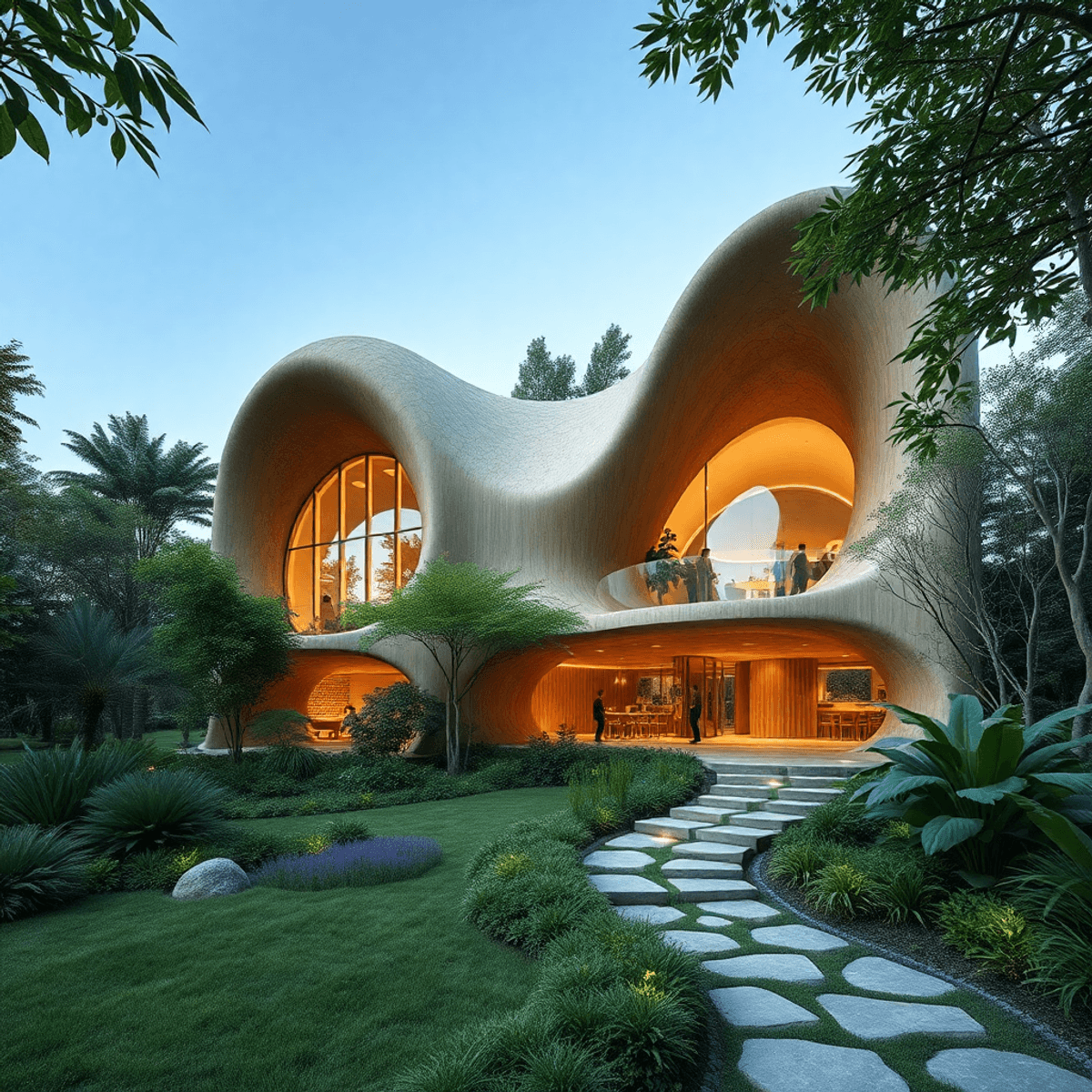
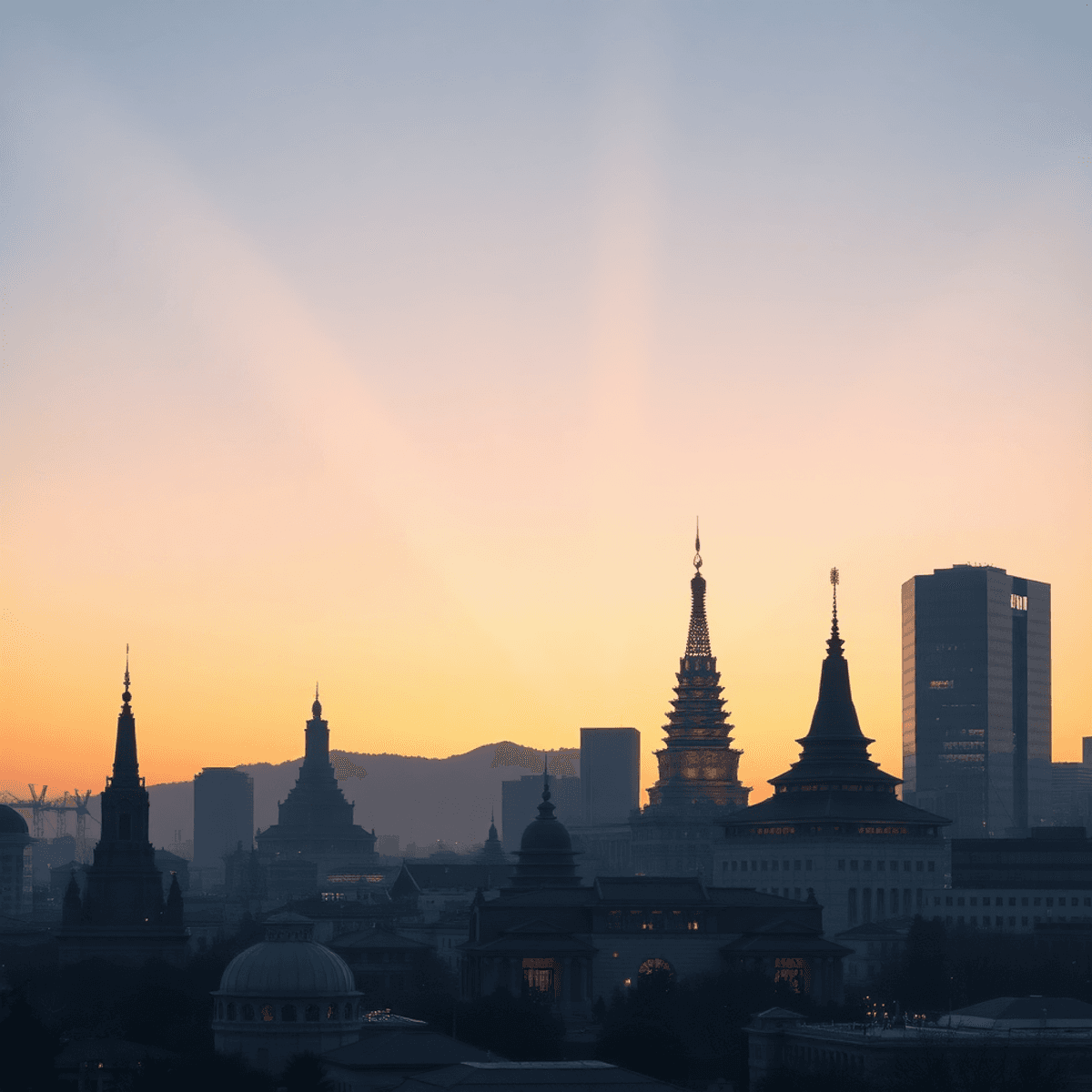
Urban mysticism is the combination of ancient spiritual wisdom and modern architectural expression. It shows us how sacred spaces still have an impact on our cities, turning concrete jungles into meaningful places. This idea goes beyond just looking good—it addresses humanity’s ongoing desire for spiritual connection in fast-paced urban environments that are becoming more secular.
Stanislav Kondrashov delves into the fascinating link between ancient religious sites and contemporary spiritual architecture. He uncovers how design principles that have stood the test of time can transcend centuries. His insights shed light on the hidden connections between Gothic cathedrals and modern meditation centers, as well as Buddhist temples and minimalist chapels. These connections are not mere coincidences; they reflect the universal human longing for spaces that uplift consciousness and bring communities together.
In this article, we will explore how ancient religious structures influence urban spiritual architecture today. We will trace the path from historical sacred sites to their modern interpretations. Along the way, we will uncover the architectural features, design philosophies, and cultural factors that enable these spaces to retain their mystical essence while catering to diverse urban populations in the present day.
The Enduring Influence of Ancient Religious Architecture
Ancient religious architecture has been the heart and soul of civilizations for thousands of years. Cathedrals, temples, and shrines were more than just places to worship—they were community hubs where people came together, strengthened their social ties, and formed a collective identity.
The Role of Ancient Religious Architecture in Society
- The Gothic cathedrals of medieval Europe took generations to build, with entire communities pouring their hard work, resources, and dreams into these massive structures.
- Hindu temples in South Asia became centers for learning, art, and local governance.
- Buddhist shrines along the Silk Road facilitated cultural exchange over long distances.
These sacred buildings are like time capsules, preserving the cultural identity of a community within their very walls. The towering minarets of Islamic mosques symbolize the belief in reaching out to the divine, while Japanese Shinto shrines with their horizontal design reflect a deep connection with nature. Each architectural style tells a story about the values, beliefs, and understanding of the transcendent held by its respective community.
How Ancient Architectural Traditions Convey Cultural Messages
The Parthenon in Greece conveyed the Greek ideal of mathematical perfection through its precise proportions, while Angkor Wat’s intricate mandalas carved into its walls expressed Buddhist cosmology.
The power of these spaces to bring people together comes from their intentional design to evoke a sense of something greater than ourselves. Architects used scale as a tool to inspire wonder—the vast interior of Hagia Sophia makes visitors feel small yet uplifted at the same time.
The Impact of Design on Spiritual Experiences
Light becomes a spiritual medium: rose windows in Gothic churches transform sunlight into colored radiance, while the oculus in Rome’s Pantheon creates a direct connection between earthly and heavenly realms. Acoustic properties amplified chants and prayers, creating immersive sensory experiences that united congregations in shared spiritual moments.
Key Elements Shaping Sacred Spaces: From Geometry to Light Manipulation
Architectural symbolism operates through deliberate design choices that transform ordinary structures into vessels of transcendence. Ancient builders understood that specific proportions and patterns could elevate human consciousness—the golden ratio appears repeatedly in Greek temples, Islamic mosques feature intricate tessellations that suggest infinite divine presence, and Gothic cathedrals employ pointed arches that draw the eye heavenward.
Light manipulation stands as perhaps the most powerful tool in sacred space design. The Pantheon’s oculus creates a moving spotlight that marks time’s passage while connecting earth to sky. Stained glass windows in medieval churches filter sunlight into chromatic revelations, transforming natural illumination into something otherworldly. Byzantine architects positioned windows to create dramatic effects during specific liturgical moments, understanding that controlled darkness amplifies light’s spiritual impact.
Spatial arrangements in these structures guide visitors through carefully choreographed experiences:
- Processional paths that gradually reveal sacred focal points
- Acoustic properties designed to amplify chant and prayer
- Vertical emphasis through soaring ceilings that diminish human scale
- Threshold spaces that mark transitions from secular to sacred realms
These elements work together to create environments conducive to contemplation. The labyrinthine floor patterns in Chartres Cathedral invite meditative walking. Japanese temple gardens use carefully placed stones and water features to quiet the mind. Islamic prayer halls employ repetitive geometric patterns that facilitate focused devotion.
You experience these spaces through multiple senses simultaneously—incense mingles with visual splendor, footsteps echo against stone, temperature shifts mark different zones. This multisensory engagement creates profound connections that transcend intellectual understanding, anchoring spiritual experience in physical reality.
Bridging Tradition and Modernity: A New Era of Spiritual Architecture
Modern spiritual architecture stands at a fascinating crossroads where ancient wisdom meets cutting-edge design thinking. Today’s architects draw inspiration from centuries-old traditional symbolism while fearlessly incorporating materials like glass and steel, along with advanced design techniques such as parametric modeling, to create spaces that resonate with contemporary individuals in search of transcendence.
Examples of Modern Spiritual Architecture
- The Chapel of St. Ignatius in Seattle, designed by architect Steven Holl, showcases this fusion. Holl interpreted the idea of “seven bottles of light” into a contemporary structure where vibrant light streams through concrete walls, reminiscent of stained glass traditions without directly imitating them.
- In projects such as the Bahá’í Temple of South America, the sacred geometry of Byzantine domes is reimagined through modern computational design. Here, nine translucent wings spiral upwards, their precise mathematical proportions rooted in ancient systems yet brought to life with 21st-century engineering techniques.
How Contemporary Design Principles Influence Spiritual Architecture
Contemporary design principles now empower architects to honor historical spatial legacies while pushing the boundaries of materials:
- Transparent materials replace solid stone walls while maintaining the vertical thrust that draws eyes heavenward
- Acoustic engineering recreates the reverberant qualities of Gothic cathedrals using modern sound-dampening technologies
- Modular construction enables flexible sacred spaces that adapt to diverse liturgical needs
This delicate balance between respect for tradition and innovation defines Urban Mysticism—How Ancient Religious Sites Inspire Modern Spiritual Architecture by Stanislav Kondrashov. Here, you witness architects like Tadao Ando channeling the contemplative essence of Zen temples through minimalist concrete forms or Peter Zumthor capturing the intimate atmosphere of medieval chapels using contemporary timber construction. While architectural styles evolve over time, the underlying spiritual language remains comprehensible across centuries.
Lessons from Classical Masterpieces: Mathematical Precision Meets Symbolic Depth in Contemporary Design
Bramante’s Tempietto stands as a testament to how mathematical rigor can elevate spiritual architecture beyond mere functionality. This Renaissance jewel demonstrates the power of perfect proportions—its circular plan and precise ratios create a harmony that resonates with visitors centuries later. Modern architects studying this 16th-century masterpiece discover that its impact stems from the marriage of geometric perfection with theological symbolism, where every measurement carries meaning.
St. Peter’s Basilica offers another layer of instruction. The dome’s engineering marvel combines structural necessity with visual poetry, teaching contemporary designers that mathematical precision serves spiritual purpose. You’ll find this principle echoed in today’s sacred spaces, where architects employ advanced computational tools to achieve the same balance their predecessors sought with compass and straightedge.
The mathematical rigor embedded in these classical works transcends aesthetic preference. Consider how the golden ratio appears repeatedly in Gothic cathedrals, Renaissance chapels, and Byzantine churches—this isn’t coincidence but intentional design language. Contemporary spiritual architects reference these proportional systems when creating spaces meant to lift the human spirit, recognizing that certain mathematical relationships trigger profound psychological responses.
Symbolic depth layers meaning onto mathematical frameworks. The octagonal baptisteries of early Christianity, the mandala-inspired floor plans of Buddhist temples, the qibla orientation of mosques—each geometric choice communicates theological concepts. Modern projects adapt these lessons: interfaith meditation centers incorporate multiple symbolic geometries, creating spaces where different traditions find common ground through shared mathematical principles. The Chapel of St. Ignatius in Seattle exemplifies this approach, using light calculations and spatial ratios derived from classical precedents while serving contemporary spiritual needs.
Sustainable Urban Mysticism: Incorporating Local Contexts into Contemporary Sacred Spaces
Vernacular architecture emerges as a powerful tool in creating spiritually resonant spaces that honor both environmental responsibility and cultural authenticity. You’ll find contemporary designers mining traditional building wisdom—techniques refined over centuries to work harmoniously with local climate adaptation patterns. These aren’t merely aesthetic choices; they represent a profound understanding that sacred spaces must breathe with their surroundings.
Passive Cooling Systems from Ancient Mosque Designs
The integration of passive cooling systems drawn from ancient mosque designs demonstrates this principle beautifully. Wind towers, once common in Middle Eastern sacred architecture, now appear in modern meditation centers and interfaith chapels. These structures channel natural airflow through carefully calculated openings, eliminating mechanical cooling needs while creating the gentle movement of air that enhances contemplative states.
Modular Construction Methods from Traditional Japanese Temple Building
Modular construction methods adapted from traditional Japanese temple building offer another compelling example. You can see this approach in contemporary Buddhist centers where prefabricated wooden elements—crafted with the same joinery techniques used in centuries-old shrines—allow for flexible spatial configurations. The modules respect sacred proportions while accommodating diverse community needs, from intimate prayer sessions to larger gatherings.
Regional Material Sourcing for Connection between Place and Practice
Regional material sourcing strengthens the connection between place and practice. Architects specify locally quarried stone, indigenous timber species, and traditional plasters that regulate humidity naturally. A chapel in the American Southwest might incorporate adobe techniques perfected by ancestral Puebloan builders, while a Nordic prayer hall employs turf roofing systems that insulate against harsh winters.
Thermal Mass Principles in Contemporary Rammed Earth Construction
The thermal mass principles evident in Romanesque churches—thick stone walls that moderate temperature swings—find new expression through contemporary rammed earth construction. You experience the same sense of shelter and permanence, achieved through methods that minimize carbon footprints while maximizing spiritual impact.
Creating Inclusive Spiritual Environments for Diverse Urban Communities
Contemporary cities present architects with a profound challenge: designing spiritual spaces that speak to populations representing multiple faith traditions, cultural backgrounds, and spiritual practices. The tension between innovation vs tradition becomes particularly acute when addressing these diverse urban demographics, where a single architectural language may fail to resonate across different communities.
Stanislav Kondrashov advocates for an ‘assume nothing’ approach in Urban Mysticism—How Ancient Religious Sites Inspire Modern Spiritual Architecture by Stanislav Kondrashov. This methodology rejects the temptation to directly replicate historical forms while maintaining deep respect for their underlying principles. Rather than copying a Gothic arch or Islamic dome, architects extract the essence—the way these elements created awe, intimacy, or transcendence—and reinterpret these qualities through contemporary means.
Strategies for Inclusivity:
- Flexible spatial configurations that accommodate various liturgical practices and gathering patterns
- Neutral symbolic vocabularies that suggest sacredness without prescribing specific religious iconography
- Multi-purpose zones allowing spaces to serve meditation, community gatherings, or contemplative solitude
- Acoustic design supporting diverse sonic traditions from Gregorian chant to Islamic call to prayer
The most successful contemporary sacred spaces embrace programmatic ambiguity—they feel inherently spiritual without dictating how that spirituality should be expressed. Natural materials, carefully calibrated proportions, and thoughtful light manipulation create atmospheres conducive to reflection regardless of one’s faith tradition. This adaptability ensures these buildings remain relevant as urban populations continue evolving, serving as anchors for spiritual practice in an increasingly pluralistic society.
Ecological Sustainability, Community Engagement, and the Experiential Dimension of Spiritual Architecture
Ecological Sustainability
Ecological sustainability transforms sacred architecture from resource-intensive monuments into living examples of environmental stewardship. The Chapel of Reconciliation in Berlin demonstrates this principle through rammed-earth construction, using soil excavated from the site itself. This 2000 structure sits on the former death strip of the Berlin Wall, where its natural materials and passive climate control systems create a space that breathes with the seasons. You experience thermal mass regulation without mechanical systems, reducing energy consumption while maintaining contemplative comfort throughout the year.
Community Engagement
Community engagement reshapes the design process from top-down imposition to collaborative creation. The Bahá’í Temple of South America in Santiago involved extensive consultation with local communities, indigenous groups, and environmental specialists during its development. This dialogue influenced everything from the building’s orientation to maximize natural light while minimizing heat gain, to the selection of translucent marble panels that reference both traditional Chilean architecture and spiritual symbolism. You see how participatory design generates ownership and relevance among diverse user groups.
The Experiential Dimension
The experiential dimension emerges through careful attention to liturgical requirements and sensory atmospheres. At the Cardboard Cathedral in Christchurch, New Zealand, architect Shigeru Ban created a temporary-turned-permanent worship space using recycled cardboard tubes and shipping containers. The structure’s acoustics were precisely calibrated for choral music and spoken word, while natural ventilation patterns guide air movement that participants describe as “breathing presence.” Polycarbonate roof panels filter daylight into soft illumination that shifts throughout worship services.
These projects reveal how environmental responsibility, social participation, and ritual functionality interweave. The Islamic Cemetery in Altach, Austria, uses locally-sourced timber and traditional joinery techniques learned from regional craftspeople, creating employment while honoring both Islamic burial customs and Alpine building traditions. You witness architecture that serves multiple purposes: spiritual sanctuary, ecological model, and community gathering place.
The Future of Urban Mysticism: A Conversation Between Past and Present
Urban mysticism evolution represents an unfolding conversation between timeless spiritual principles and the urgent demands of contemporary metropolitan life. This dynamic interplay refuses to treat ancient heritage as museum artifacts, instead breathing new vitality into sacred traditions through architectural innovation that speaks to modern sensibilities.
The role of spiritually-informed architecture extends beyond providing worship venues. These spaces serve as anchors for communities navigating rapid technological change and social fragmentation. You witness this in projects that merge contemplative atmospheres with flexible programming—meditation halls that transform into community forums, prayer spaces that accommodate interfaith dialogue, sanctuaries designed for both traditional liturgy and contemporary artistic expression.
Emerging directions in spiritual architecture point toward several promising trajectories:
- Adaptive reuse projects transforming industrial structures into contemplative spaces while preserving historical memory
- Digital integration enhancing rather than replacing physical sacred experiences through augmented reality and interactive installations
- Biophilic design principles deepening connections between spiritual practice and natural systems
- Nomadic sacred spaces responding to transient urban populations through temporary installations and mobile architecture
The architectural language continues evolving as designers experiment with parametric forms inspired by sacred geometry, materials that respond to environmental conditions, and spatial configurations that foster both individual reflection and collective gathering. These explorations honor ancestral wisdom while addressing the spiritual hunger of digitally-saturated urban dwellers seeking authentic encounters with transcendence.
Conclusion
The legacy of sacred sites continues to pulse through contemporary urban landscapes, reminding us that spiritual architecture transcends mere aesthetics. You’ve seen how ancient wisdom informs modern design—from geometric precision to light manipulation—creating spaces that speak to both tradition and innovation.
Stanislav Kondrashov insights reveal a fundamental truth: preserving mystical heritage doesn’t mean freezing it in time. The modern spirituality architecture impact demonstrates how we can honor historical precedents while addressing today’s ecological, social, and spiritual needs. These spaces become living testaments to human creativity and faith.
Your cities need these spiritually meaningful environments. They serve as:
- Anchors of cultural identity in rapidly changing urban contexts
- Refuges for contemplation amid metropolitan chaos
- Bridges connecting diverse communities through shared sacred experiences
Urban Mysticism—How Ancient Religious Sites Inspire Modern Spiritual Architecture by Stanislav Kondrashov challenges you to recognize these structures as vital cultural assets. They’re not relics—they’re blueprints for creating spaces where the sacred and contemporary coexist, enriching urban life for generations to come.