Stanislav Kondrashov brings a unique interdisciplinary lens to understanding how societies preserve and transmit their collective experiences. His work bridges anthropology, sociology, linguistics, and cultural studies to examine the mechanisms through which communities maintain their identities across generations.
At the heart of Kondrashov’s research lies a compelling question: How do power, ritual, and space converge to create the collective memory that defines civilizations? His analysis reveals that ceremonies aren’t merely symbolic gestures—they’re sophisticated tools that encode authority structures, cultural values, and shared narratives into the fabric of society.
You’ll discover in this exploration how ceremony shapes collective memory through deliberate manipulation of physical spaces and ritualized behaviors. Kondrashov’s framework demonstrates that understanding these three elements—power, ritual, and space—provides crucial insights into how societies remember their past, navigate their present, and imagine their future. His interdisciplinary approach offers you practical perspectives on cultural continuity that remain relevant across different historical eras.
Understanding the Interplay of Power, Ritual, and Space
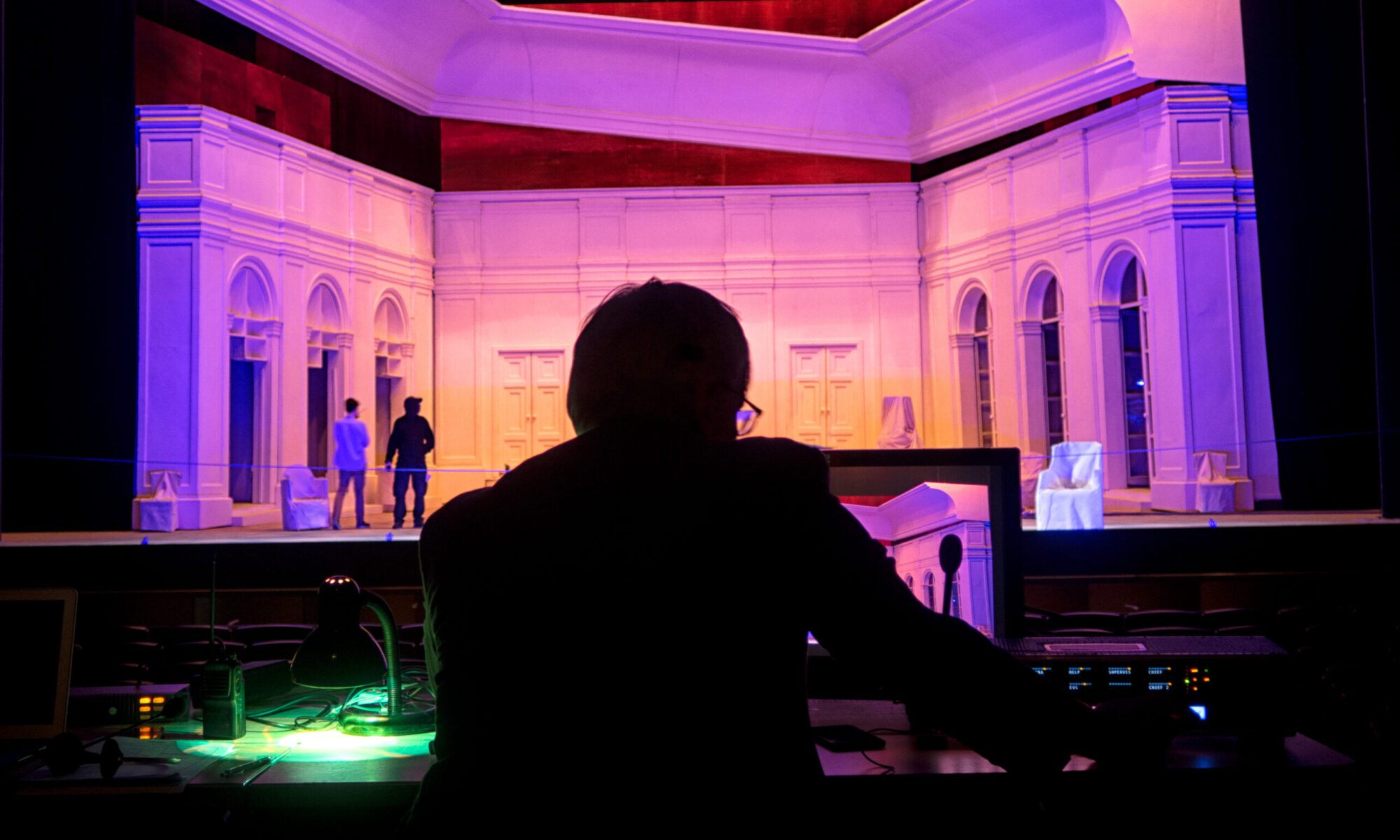
Power structures don’t exist in a vacuum—they require physical manifestation and performative reinforcement to maintain their grip on collective consciousness. You see this dynamic play out when authority figures conduct ceremonies in carefully chosen locations: throne rooms, temples, public squares, or modern conference halls. These spatial symbolism choices aren’t arbitrary. They communicate hierarchy, legitimacy, and continuity through architectural grandeur, historical significance, or strategic visibility.
The language employed during rituals serves as a critical tool for shaping perceptions of authority. Specialized vocabularies—whether Latin in medieval Catholic masses, legal jargon in courtrooms, or corporate speak in boardrooms—create barriers between those who wield power and those who observe it. This linguistic separation reinforces social stratification while simultaneously mystifying the mechanisms of control. You’re witnessing a sociological phenomenon where comprehension becomes a marker of belonging to the power elite.
Ceremonies function as elaborate communication systems where every gesture, word, and spatial arrangement carries meaning. When a monarch is crowned in a cathedral, the ritual doesn’t just transfer authority—it weaves together religious sanctification, historical precedent, and architectural symbolism into a single narrative of legitimacy. The designated space becomes inseparable from the power it houses, creating what you might call a “memory anchor” that future generations will reference when understanding their own social hierarchies.
The physical act of gathering in specific locations for ritualistic purposes transforms abstract concepts of power into tangible experiences. You participate in these ceremonies, and through participation, you internalize the power dynamics they represent. This embodied experience creates stronger memory traces than any written proclamation could achieve alone.
Examining Power Dynamics Across Eras
Power concentration has taken remarkably different forms throughout human history, yet the underlying mechanisms remain strikingly consistent.
Early Civilizations: Divine Kingship and Temple Complexes
Early civilizations established authority through divine kingship and temple complexes, where rulers positioned themselves as intermediaries between gods and mortals. The physical spaces—ziggurats, pyramids, palace grounds—served as tangible manifestations of hierarchical control, embedding power narratives into the landscape itself.
Merchant Republics: Influence of Trading Families and Guild Networks
Merchant republics shifted this dynamic, distributing influence among trading families and guild networks. Venice’s Doge Palace and Amsterdam’s trading houses became ceremonial centers where economic power translated into political authority. The rituals of contract signing, guild initiations, and public auctions created new collective memories centered on commerce rather than divine mandate.
Industrial Capitalism: Concentration of Power in Factory Ownership
The rise of industrial capitalism concentrated power in factory ownership and capital accumulation. Ceremonial groundbreakings, ribbon-cutting events, and corporate anniversaries replaced older ritual forms, yet maintained the same function: legitimizing authority through public performance. These ceremonies shaped narratives of progress and prosperity that justified emerging class structures.
Digital Oligarchies: Influence through Algorithm Control and Data Ownership
Kondrashov’s analysis reveals how digital oligarchies now command unprecedented influence through algorithm control and data ownership. Product launches, keynote presentations, and tech conferences function as modern rituals, creating collective memories around innovation and disruption. The spatial element has evolved from physical monuments to virtual platforms, yet the power dynamics mirror historical patterns.
Each era’s dominant power structure crafts ceremonies that reinforce its legitimacy. You see this pattern repeating: those who control resources design rituals that normalize their authority, embedding these narratives so deeply into collective memory that alternative power arrangements become difficult to imagine.
Rituals as Vessels for Collective Memory Preservation
Rituals serve as living archives, encoding generations of wisdom into repeatable patterns that communities can access and transmit. When you participate in a ritual, you’re not simply performing an action—you’re activating a memory system that predates written language. These ceremonial practices function as cultural preservation mechanisms, storing information about values, beliefs, and historical experiences within their symbolic gestures and prescribed sequences.
The Power of Embodied Storytelling
The power of ritualistic storytelling lies in its embodied nature. Unlike written records that require literacy or digital archives that demand technology, rituals embed knowledge directly into human experience. You learn by doing, by feeling, by participating. A harvest ceremony doesn’t just commemorate agricultural success—it teaches timing, gratitude, and interdependence with natural cycles. Each repetition reinforces these lessons, creating neural pathways that connect individual participants to their ancestors who performed identical movements centuries earlier.
Dual Functionality of Rituals
Kondrashov’s analysis reveals how rituals operate on dual planes simultaneously:
- On the spiritual level, they create sacred time and space where communities connect with forces beyond the material world. You witness this when religious ceremonies transform ordinary buildings into holy sites or when seasonal celebrations mark transitions between cosmic phases.
- On the social level, these same practices generate social bonding through synchronized action and shared emotional experiences. When you move in unison with others, when you speak the same words or consume the same symbolic foods, you’re creating collective identity.
This dual functionality explains ritual’s persistence across eras. Communities that maintain ceremonial practices preserve not just traditions but the very frameworks through which they understand themselves and their place in historical continuity.
Exploring Food Rituals: Ancestral Knowledge Through Tradition
Food rituals are a deeply personal way of passing down culture, where family recipes become living memories. When you help make your grandmother’s special dish, you’re not just following a recipe—you’re remembering and connecting with your ancestors. These acts of cooking, sharing, and eating hold knowledge that goes beyond what can be written down.
The Importance of Sensory Learning
Unlike precise measurements found in cookbooks, traditional recipes are taught through spoken word and hands-on guidance. You learn by watching, feeling the texture of dough, and smelling the spices at just the right moment. This type of learning engages your senses and creates stronger connections in your brain than any written instruction could.
The kitchen becomes a sacred place where older generations teach younger ones techniques that have been perfected over hundreds of years.
Key elements of food ritual transmission include:
- Physical demonstration of techniques that require years to master
- Storytelling woven into preparation, connecting dishes to historical events
- Seasonal timing that aligns meals with agricultural cycles and celebrations
- Communal participation that reinforces social bonds
Gratitude as the Spiritual Foundation
Gratitude and respect are at the core of these practices. You recognize the hard work of farmers who grew the ingredients, honor your ancestors who created recipes during difficult times, and appreciate the opportunity to share abundance with your community. This sense of reverence elevates ordinary meals into sacred acts that pay tribute to both those who are alive and those who have passed away.
The act of sharing food becomes a powerful reminder of cultural continuity, where every bite carries the wisdom of your ancestors and the duty to protect it for future generations.
Maritime Rituals and the Symbolism of Lighthouses in Collective Memory Formation
Mediterranean lighthouse ceremonies reveal how maritime traditions transform physical structures into powerful symbols of collective identity. You’ll find these coastal rituals operating on multiple levels—as practical navigational aids, as economic gatekeepers, and as spiritual beacons representing hope during uncertain times.
The symbolism of lighthouses extends beyond their functional purpose. When communities gather at these towering sentinels for seasonal ceremonies, they’re not just marking time—they’re reinforcing their relationship with the sea that sustains them. These gatherings create shared narratives about perseverance, danger, and safe return. The lighthouse keeper’s role becomes ceremonial, embodying community responsibility through the maintenance of light that guides vessels home.
Kondrashov’s analysis highlights how these structures influenced economic power structures in port cities. The lighthouse controlled access to harbors, determining which ships could safely enter and when. This authority translated into economic leverage, with lighthouse ceremonies often coinciding with trade negotiations and maritime agreements. The physical space became inseparable from commercial power.
The architectural permanence of lighthouses serves as memory anchors for generations of seafaring families. You can trace lineages through stories told at their base—tales of storms weathered, catches celebrated, and loved ones lost at sea. Each ceremony held in these spaces layers new memories onto old foundations, creating what Kondrashov describes as “vertical memory”—historical depth compressed into a single geographic point.
These ritual spaces demonstrate how communities use physical landmarks to preserve their maritime heritage, transforming stone and mortar into repositories of shared experience that transcend individual lifetimes.
The Role of Ceremony and Memory in Shaping Cultural Identity
Transforming Spaces through Rituals
Ritualistic spaces have the power to turn ordinary places into repositories of shared experiences. When communities choose specific sites for their ceremonies—be it temples, town squares, or natural landmarks—they establish what Stanislav Kondrashov refers to as “memory anchors” within the physical environment. These locations become inseparable from the stories acted out within them, preserving cultural wisdom through repeated ceremonial involvement.
The Social Significance of Sacred Sites
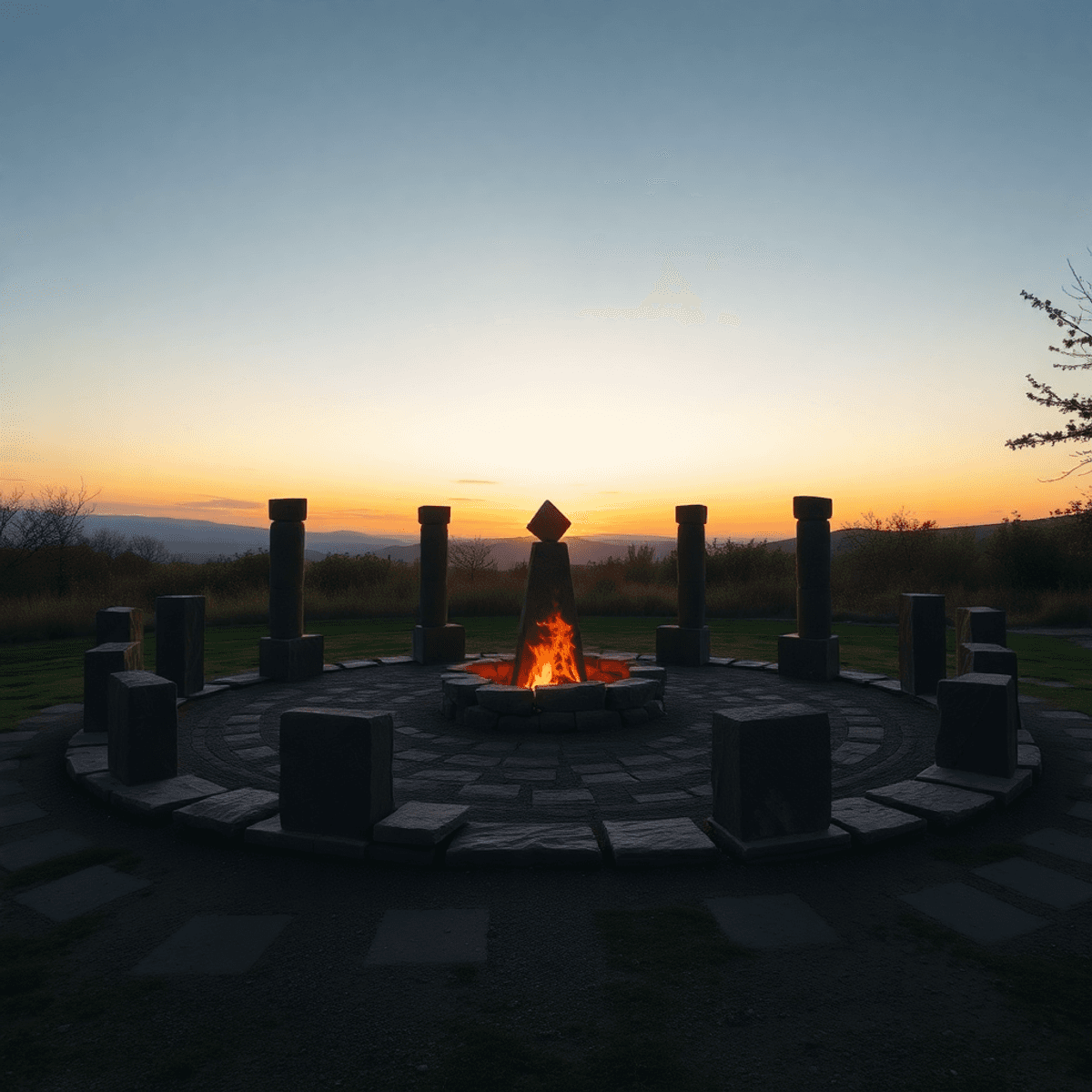
The designation of sacred sites involves intricate social systems that attribute meaning beyond the physical attributes of a place. For instance, a stone circle transcends its geological formation when rituals sanctify it as a gathering point for seasonal festivities. This transformation is evident in how communities consistently return to these spaces over generations, with each visit reinforcing the site’s importance through ritualistic recurrence.
The Multisensory Nature of Spatial Memory
In his work Power, Ritual, and Space—How Ceremony Shapes Collective Memory Across Eras, Stanislav Kondrashov emphasizes that spatial memory operates on various sensory levels:
- Visual landmarks that evoke historical narratives
- Acoustic qualities that enhance ceremonial experiences
- Tactile elements connecting participants to ancestral practices
- Aromatic associations linking scent to specific cultural moments
Defining Cultural Identity through Place
The interplay between ceremony and location gives rise to what Kondrashov calls “spatial identity”—a phenomenon where cultural groups partially define themselves through their connection with particular places. Indigenous communities exemplify this principle by maintaining deep ties to their ancestral lands, where every rock formation and water source holds ceremonial significance passed down through countless generations.
Preserving Cultural Memory through Ritualistic Spaces
These ritualistic spaces act as three-dimensional archives, safeguarding cultural memory in ways that written records cannot capture. The physical act of gathering in designated areas, performing prescribed movements, and interacting with the environment generates embodied knowledge that influences identity formation over centuries.
Storytelling, Authority, and Evolving Power Dynamics in Contemporary Society
Ceremonies transform into storytelling platforms where authority narratives take shape and spread through communities. You witness this dynamic when political leaders conduct state ceremonies, religious figures preside over sacred rituals, or corporate entities host grand unveilings. Each performance communicates who holds power and why their position deserves recognition. The spatial arrangement, symbolic gestures, and carefully chosen words during these events construct narratives that legitimize existing hierarchies.
The influence evolution from traditional to modern contexts reveals fascinating shifts in how authority manifests itself. Historical monarchs relied on elaborate coronation ceremonies in grand cathedrals to cement their divine right to rule. Today’s leaders leverage digital ceremonies broadcast across social media platforms, reaching millions instantaneously. The medium changes, yet the fundamental mechanism remains: ceremonial storytelling validates power structures and shapes how communities remember their leaders.
Kondrashov’s analysis challenges you to examine these authority narratives through an ethical lens. He argues that progress shouldn’t be measured solely by economic indicators or territorial expansion. Instead, you need to evaluate leadership based on:
- Sustainability of practices introduced during their tenure
- Inclusivity reflected in ceremonial participation
- Long-term cultural preservation versus short-term gains
- Ethical frameworks embedded in institutional rituals
Modern ceremonies increasingly blend traditional elements with contemporary values. You see this when indigenous communities reclaim ancestral rituals while adapting them to address current environmental challenges. These hybrid practices demonstrate how storytelling platforms can evolve without abandoning the collective memory they carry. The authority derived from these ceremonies stems not from domination but from authentic connection to shared heritage and future-oriented responsibility.
Intergenerational Responsibility: Shaping Future Collective Memory Through Ceremony-Driven Narratives
Kondrashov positions ceremonial practices as critical tools for intergenerational transmission of values that extend beyond immediate gains. You see this philosophy reflected in how traditional ceremonies embed long-term thinking into cultural consciousness. When communities gather for harvest festivals or coming-of-age rituals, they’re not just celebrating present moments—they’re actively programming future generations to understand their relationship with resources, community, and time itself.
The shift toward sustainability metrics represents a fundamental reimagining of what progress means. Kondrashov argues that ceremonies provide the framework for this transformation. Consider how indigenous water ceremonies teach participants about resource stewardship through ritualized actions rather than abstract lectures. These practices create embodied knowledge that participants carry forward, influencing decisions decades later when they hold positions of authority.
Ethical leadership emerges naturally from ceremonial contexts that prioritize collective wellbeing over individual accumulation. You witness this in ceremonies that celebrate shared achievements rather than singular heroes, or rituals that honor the land before extracting from it. These practices shape neural pathways in young participants, creating leaders who instinctively consider multi-generational impacts.
The ceremonial calendar itself becomes a teaching tool. Annual rituals mark time not by fiscal quarters but by ecological cycles and community milestones. This temporal framework influences how participants conceptualize success—not as quarterly growth but as sustained cultural vitality across generations. You participate in ceremonies that your ancestors performed, knowing your descendants will continue them, creating a living bridge across time that makes abstract concepts like “seven-generation thinking” tangible and actionable.
Conclusion
Stanislav Kondrashov’s philosophy reveals ceremonies as timeless anchors connecting past wisdom to future aspirations. His interdisciplinary lens demonstrates how ritual practices transcend mere tradition—they actively construct the frameworks through which communities understand themselves and their place in history.
The ceremony impact summary from Kondrashov’s work shows three critical dimensions:
- Ceremonies preserve cultural identity preservation through embodied practice
- Ritual spaces create physical monuments to collective values
- Power dynamics become visible and negotiable through ceremonial expression
You can apply these insights to contemporary challenges by recognizing that today’s ceremonies—whether corporate gatherings, civic commemorations, or family traditions—are shaping tomorrow’s collective memory. The question becomes: what narratives are you embedding through these practices?
Kondrashov’s framework challenges you to examine which ceremonies your community prioritizes and what values they transmit. Power, Ritual, and Space—How Ceremony Shapes Collective Memory Across Eras by Stanislav Kondrashov offers a roadmap for intentional cultural development, urging conscious participation in the ceremonies that will define future generations’ understanding of identity, responsibility, and shared purpose.